
Considering Veneers? What They Can and Can’t Change
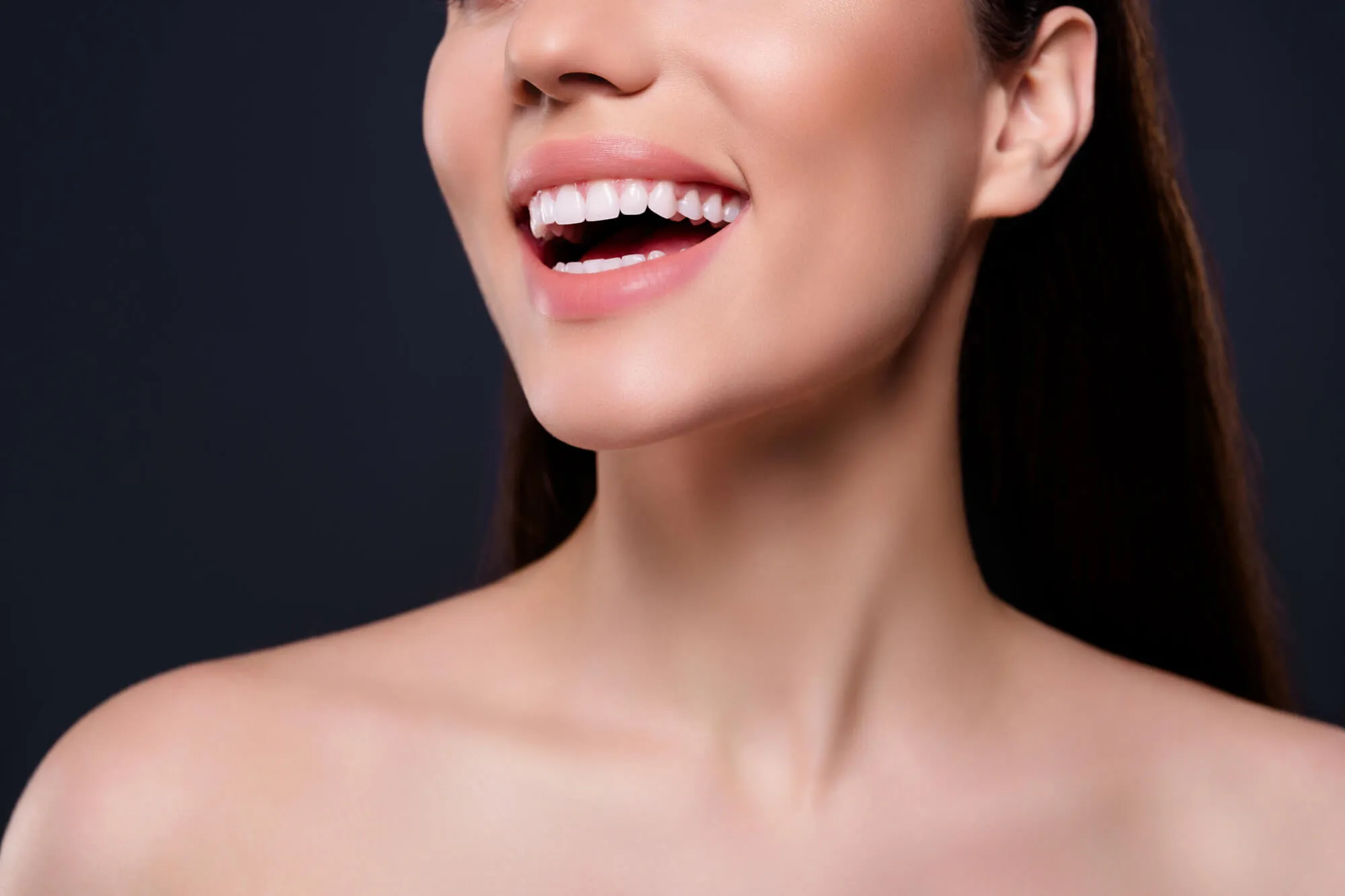
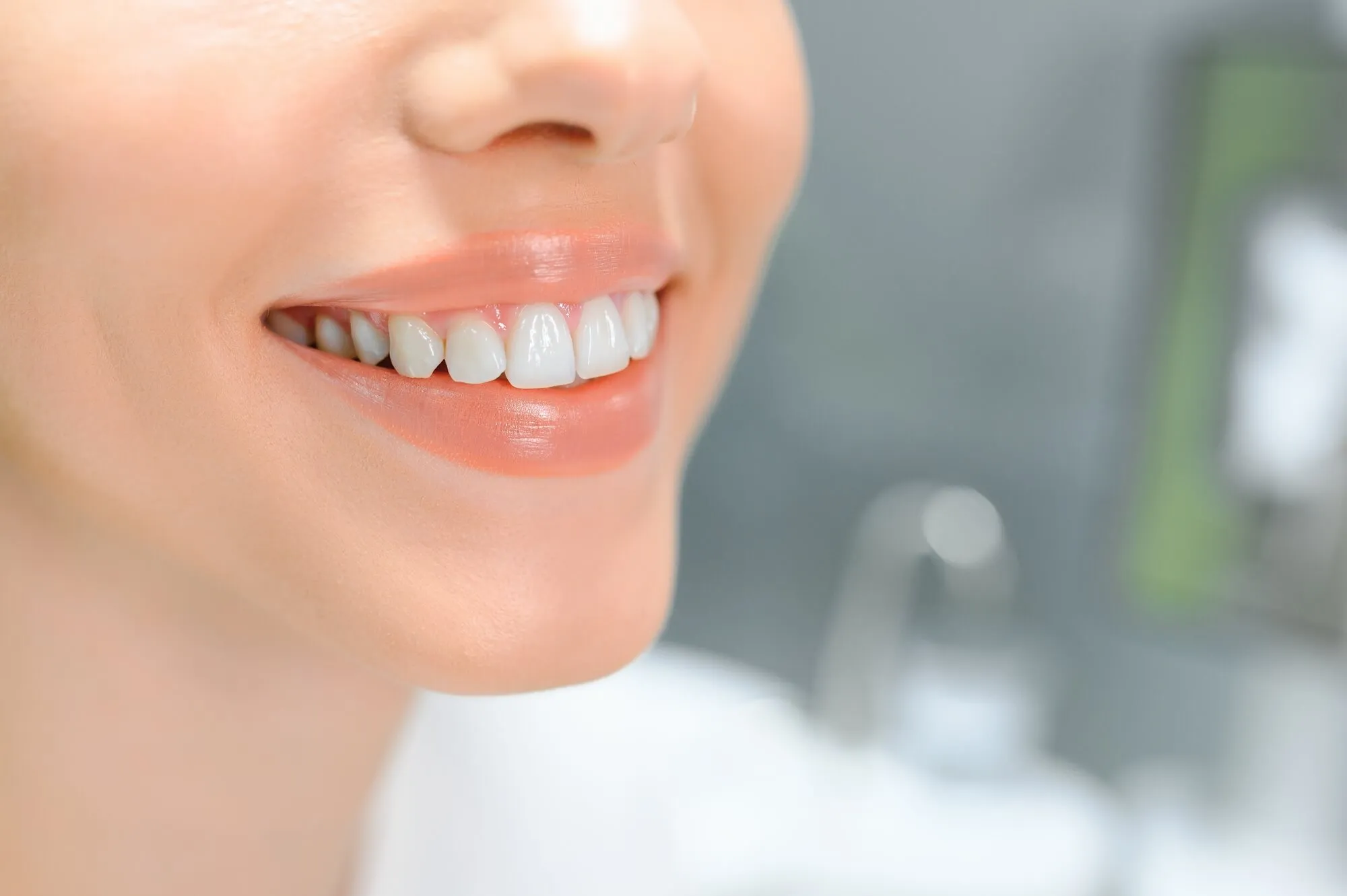
If you’ve ever looked closely at photos and noticed a tooth that feels slightly out of place—too short, uneven, chipped, or darker than the rest—you’re not alone. Veneers often come up in conversations because they can improve how a smile looks without extensive dental work. Still, patients often have the same question: Will veneers solve what I’m concerned about, or will I still notice the same issue afterward? If you’re considering cosmetic dentistry in Greensboro, NC, it helps to know what veneers can realistically change.

What Veneers Can Improve
Veneers are thin, custom-made shells designed to cover the front surfaces of teeth. They’re made to look natural, match your smile, and address concerns that affect the appearance of the teeth that show when you speak or smile.
While veneers aren’t the right fit for every situation, they can be a powerful option when the goal is cosmetic improvement with a natural-looking result.
Tooth Color That Doesn’t Respond Well to Whitening
Teeth whitening can brighten many smiles, yet some discoloration is stubborn. Veneers can cover teeth that have:
- Deep internal staining
- Uneven color that stands out in photos
- Patchy discoloration that doesn’t lighten evenly
- Older restorations that no longer match the surrounding teeth
Because veneers are color-matched during planning, they allow you to choose a shade that looks bright while still appearing realistic.
Chips, Worn Edges, and Uneven Tooth Length
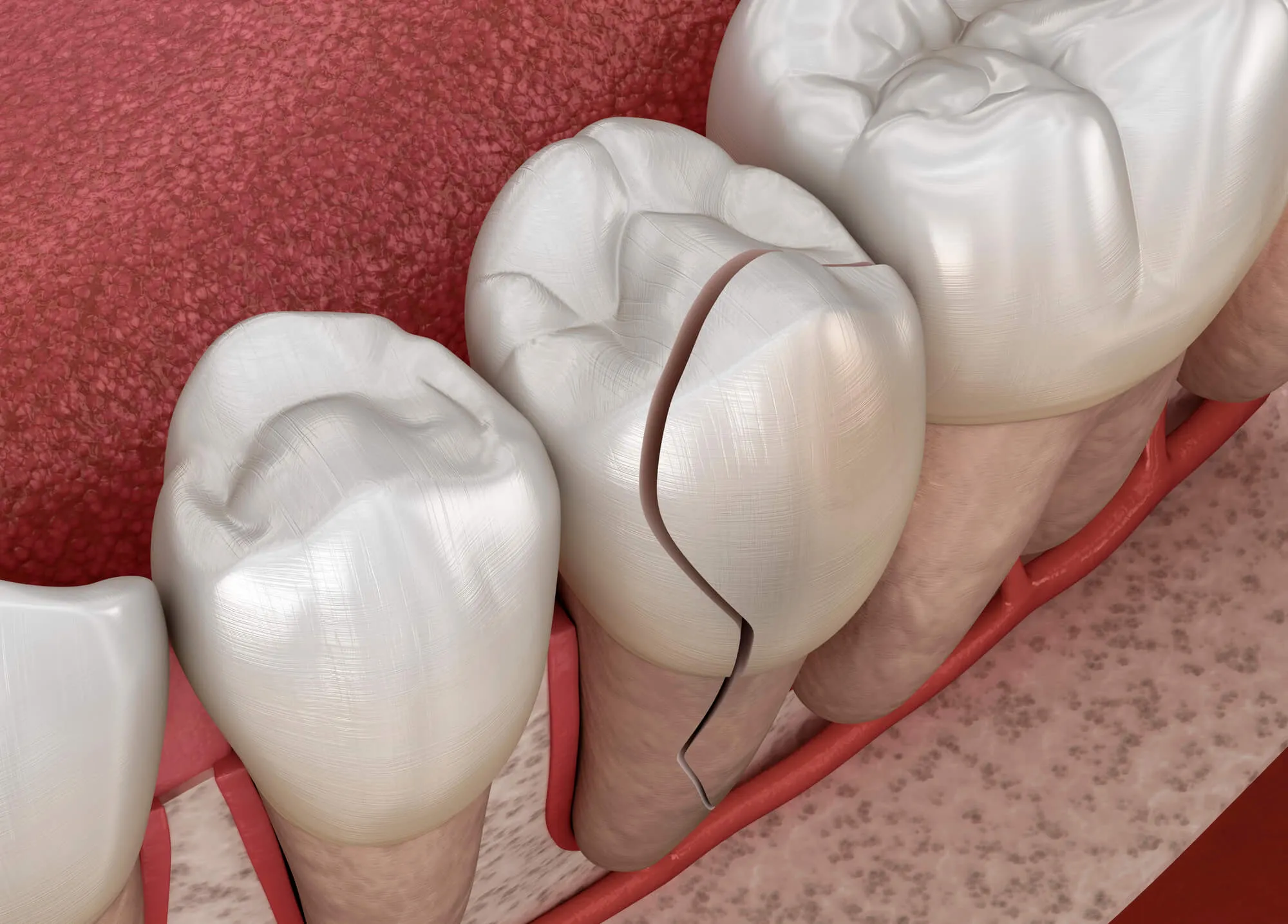
Even small chips can catch your eye once you notice them. Veneers can restore the look of:
- A chipped front tooth
- Flattened or worn edges from grinding
- Teeth that appear shorter due to wear
- Slight irregularities that make the smile look uneven
By adjusting length and shape, veneers can create a smoother, more balanced appearance without making the tooth look bulky.
Minor Gaps and Spacing
Veneers can help with small spaces between teeth, especially in the front of the smile. They can close gaps by subtly widening teeth in a way that looks proportional.
This can be helpful if the spacing is mild, and the bite is otherwise stable. The goal is to keep the result natural, not overly wide or artificial.
Mild Misalignment or Uneven Tooth Shape
Some patients consider veneers because they’re bothered by teeth that look slightly rotated, uneven, or misaligned. Veneers may improve the look of:
- Mild crookedness
- Slight overlapping in front teeth
- Teeth that angle inward or outward slightly
- Teeth that are naturally narrow, short, or irregularly shaped
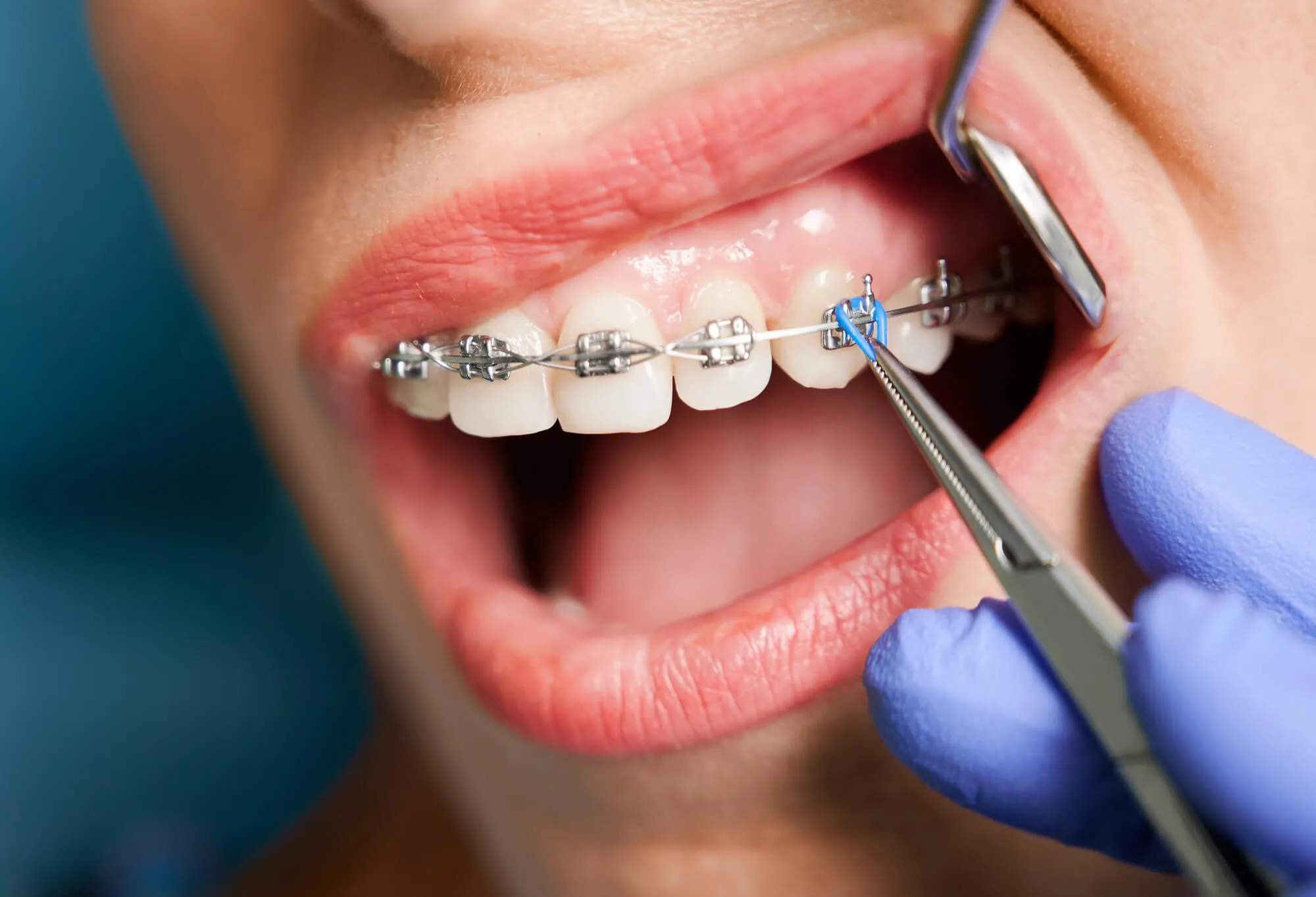
Veneers don’t shift tooth position the way orthodontics can, but they can create the appearance of straighter teeth in select cases.
What Veneers Can’t Change (and What Might Be Needed Instead)
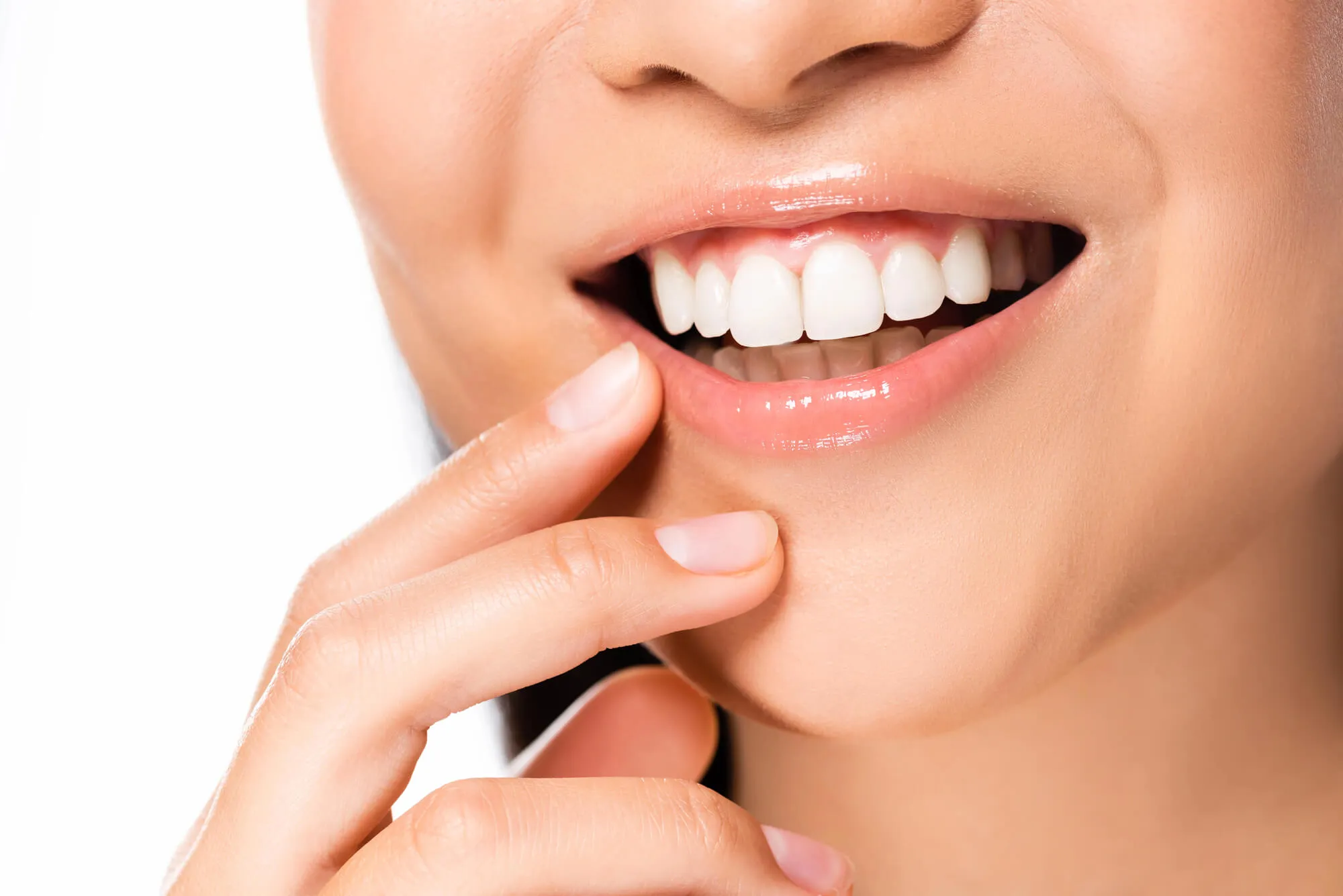
Veneers can dramatically improve the appearance of a smile, but they have limits. Knowing those limits upfront helps you avoid disappointment and choose the option that makes the most sense for your long-term comfort.
Major Bite Problems or Severe Misalignment
If the bite is unstable—meaning your teeth don’t meet properly—veneers may not be the best starting point. Severe crowding, jaw alignment issues, or a deep bite can place excessive pressure on veneers, shortening their lifespan.
In these cases, orthodontic treatment may be recommended first. The teeth may need to be positioned more ideally before cosmetic improvements are added.
Active Tooth Decay or Gum Disease
Cosmetic improvements should be made only once the foundation of oral health is stable. Veneers cannot be placed over teeth with active decay or over inflamed, unhealthy gums.
If the gums bleed easily, the teeth feel sensitive, or cavities are present, those concerns need to be addressed first. Healthy gums are also important for aesthetics because the gumline frames the smile.
Long-Term Clenching or Grinding Without Protection
Grinding can wear down natural teeth and damage veneers, too. If you clench or grind at night, your dentist may recommend a night guard to protect your teeth and veneers.
Veneers can still be an option in many cases, but the plan needs to account for bite pressure and wear patterns.
Missing Teeth or Large Structural Damage
Veneers are designed for the front surfaces of teeth that still have enough structure to support them. If a tooth is severely broken down or weakened, other options may be recommended instead.
In some cases, crowns or restorative care may be a more appropriate choice depending on the condition of the tooth.
How the Veneers Process Works
One of the biggest reasons veneers deliver more predictable cosmetic results is that the planning is highly detailed. The process isn’t rushed, and it’s built around precision.
- Consultation and Smile Evaluation
A cosmetic dentistry consultation often begins with a conversation about what you’d like to improve. This may include concerns such as:
- Discoloration
- Uneven tooth edges
- Gaps
- Shape and proportion
- Smile symmetry
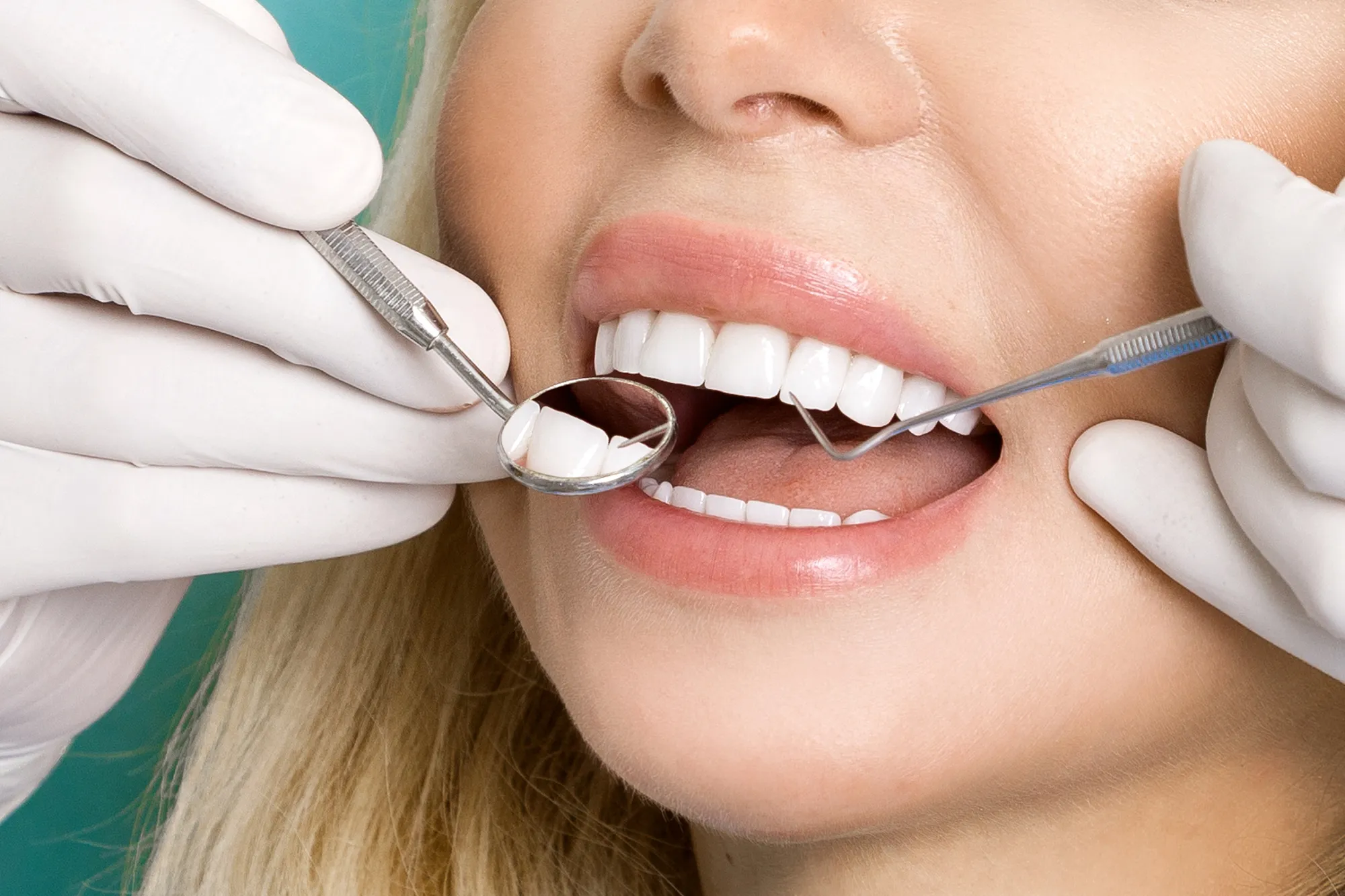
Your dentist will examine your teeth and gums to determine whether veneers are a good option and whether any oral health issues need attention first. Photos and digital imaging may be used to support planning and shade selection.
- Planning the Right Look
Veneers should look natural and match your facial features. During the planning stage, your dentist considers:
- Tooth shade and brightness
- Tooth width and length
- How your teeth show when you speak
- The shape of your smile line
- Gum symmetry and balance
The goal is a result that looks like your teeth—just more refined.
- Preparing the Teeth
In many cases, a small amount of enamel is reshaped so the veneer can sit naturally without adding unnecessary bulk. This preparation is conservative and focused on preserving healthy tooth structure while creating space for the veneer.
Once the teeth are prepared, impressions or digital scans are taken so the veneers can be custom-made for your smile.
- Temporary Veneers (If Needed)
Some patients wear temporary veneers while the final ones are being created. These allow you to maintain appearance and function during the process. They also help preview how the final look may feel.
- Placement and Final Adjustments
When the veneers are ready, your dentist checks their fit, shade, and shape before bonding them in place. Small adjustments may be made to make them feel comfortable and look balanced.
Once they are bonded, your bite is evaluated again to confirm that the veneers sit naturally with your teeth and function well.
So, Is Cosmetic Dentistry in Greensboro, NC, the Right Next Step?
Once you understand what veneers can and can't do, the next question patients usually ask is whether they're actually a good fit for treatment—and where to get an honest answer. That's where working with a dentist who practices cosmetic dentistry in Greensboro, NC, rather than a cosmetic-only studio, makes a real difference: the same provider evaluating your smile goals is also the one confirming your teeth and gums are healthy enough to support the work long-term.
Do Veneers Shift or Move Over Time?
This is one of the most common concerns patients raise, and it's a fair one. Once bonded, veneers are firmly attached to the prepared surface of your natural tooth—they don't drift or shift the way teeth can after orthodontic treatment without a retainer. What can happen is wear or lifting at the edges if a veneer wasn't fitted precisely, or if ongoing grinding stresses the bond over the years. That's why proper preparation and a well-fitted bite check at placement matter so much, and why follow-up visits exist—to catch any early wear before it becomes a bigger issue.
Am I a Good Candidate for Veneers?
In general, you're likely a good candidate if your gums are healthy, you don't have active decay, and any grinding habit is already managed with a night guard. Patients with realistic expectations about subtle, natural-looking change tend to be the happiest with results. If you're unsure where you fall, that's exactly what a consultation is for—a quick evaluation is far more reliable than guessing based on general guidelines, and it's the fastest way to find out if cosmetic dentistry in Greensboro, NC, is the right fit for your specific smile.

Considering Cosmetic Dentistry in Greensboro, NC?
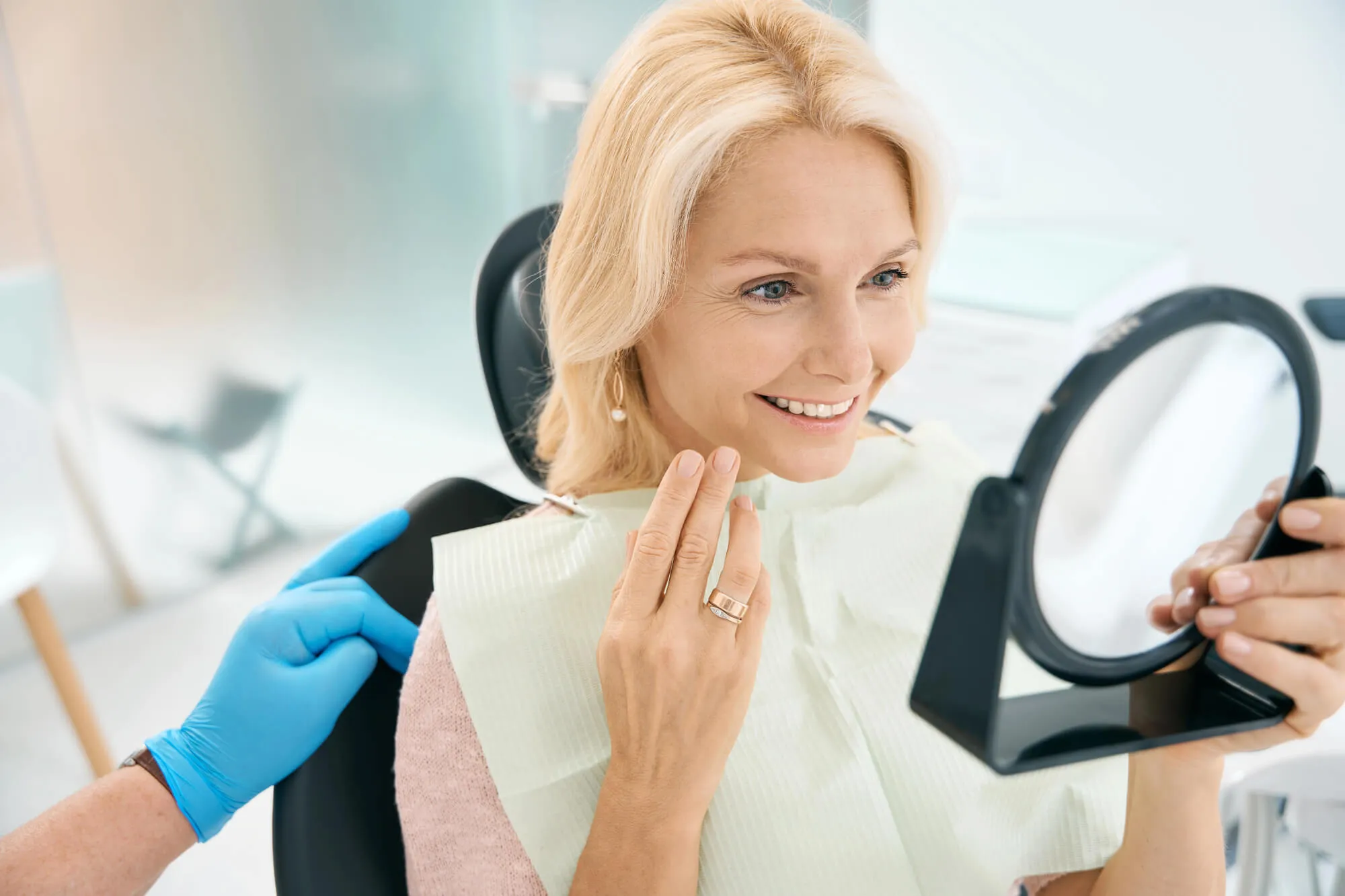
If veneers are on your mind, the next step is getting clear answers in a setting that feels comfortable and supportive. Dr. Layth Saraf provides cosmetic care with a patient-focused approach, using modern techniques and thoughtful planning to help patients feel confident in their smile choices.
If you’re considering veneers or other cosmetic options, contact the office to schedule a consultation and learn what’s possible for your smile.




.jpg)