

What Does a Dentist Actually Look for During a Routine Visit?
Sitting in the dental chair, it’s common to wonder what your dentist is noticing beyond a quick glance at your teeth. Are they only checking for cavities, or is there more happening during the exam? For patients visiting a dentist in West Greensboro, routine visits are far more detailed than they may seem. Each step is designed to assess your oral health thoroughly, catch early changes, and help you maintain comfort and function over time.

What Your Dentist Is Evaluating During a Routine Visit
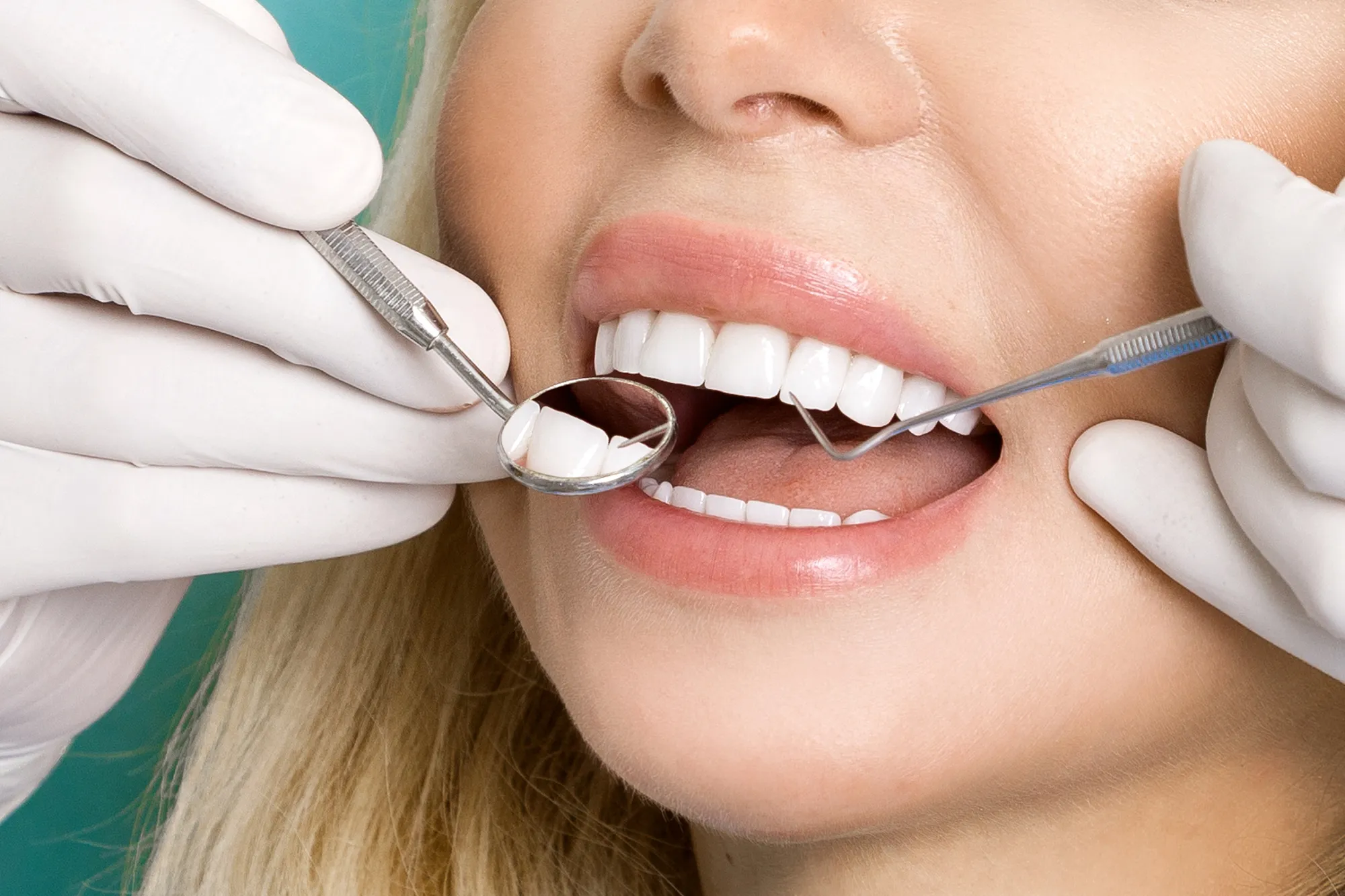
A routine dental visit involves more than a cleaning. It’s a structured process that allows your dentist to assess the condition of your teeth, gums, and supporting structures. Each part of the exam provides valuable information that helps guide your care.
Checking for Tooth Decay and Enamel Changes
One of the first things your dentist evaluates is the condition of your enamel. Even small areas of decay can develop without noticeable symptoms. During the exam, your dentist looks for:
- Soft spots in enamel
- Discoloration that may indicate early decay
- Areas where plaque tends to collect
- Signs of wear from grinding or brushing habits
Catching decay early often allows for simpler treatment and helps preserve more of the natural tooth structure.
Evaluating Gum Health
Healthy gums support your teeth and protect the underlying bone. Your dentist carefully checks for:
- Redness or swelling
- Bleeding during examination
- Changes in gum height or recession
- Early signs of gum disease
Gum health is closely tied to overall oral health. Identifying changes early can prevent progression and help maintain long-term stability.
Looking at Bite Alignment and Jaw Function
Your bite plays an important role in how your teeth function daily. During your visit, your dentist may assess:
- How your upper and lower teeth come together
- Signs of uneven pressure or wear
- Jaw movement and comfort
- Indications of clenching or grinding
Even minor bite imbalances can affect comfort over time, so this part of the exam helps identify patterns that may need attention.
Reviewing Existing Dental Work
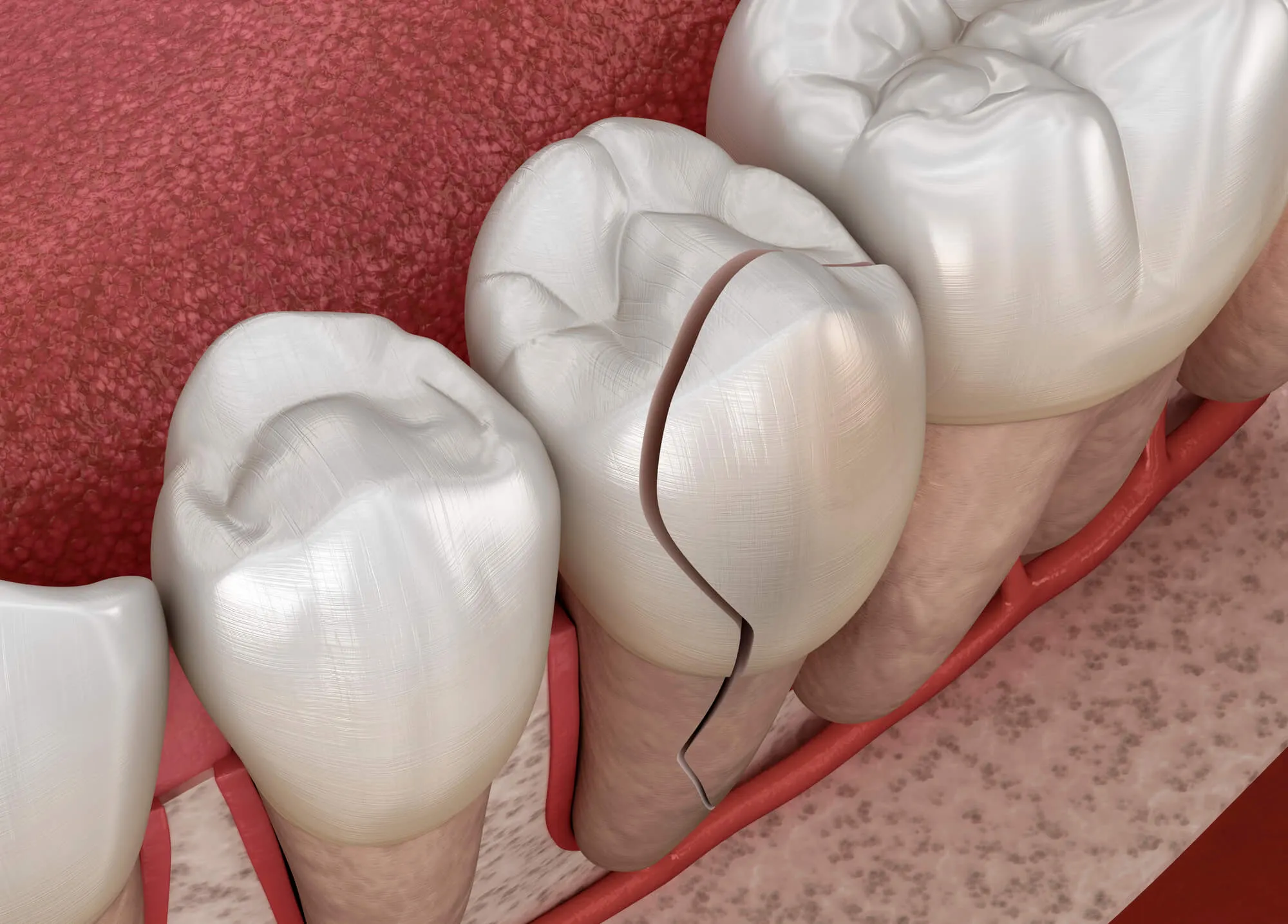
If you have fillings, crowns, or other restorations, your dentist checks their condition. Over time, dental work can wear down or shift. Your dentist looks for:
- Loose or worn restorations
- Margins where bacteria may enter
- Changes in fit or function
Keeping restorations in good condition helps maintain both appearance and function.
Using X-Rays for a Complete View
Not everything can be seen during a visual exam. X-rays allow your dentist to evaluate areas beneath the surface, including:
- Bone levels supporting the teeth
- Impacted teeth or hidden concerns
- Changes that may not yet cause symptoms
Digital X-rays provide detailed images quickly and safely, giving your dentist a more complete understanding of your oral health.
Screening for Oral Tissue Changes
Your dentist also examines the soft tissues in your mouth, including the tongue, cheeks, and roof of the mouth. This part of the exam helps identify:
- Unusual spots or lesions
- Areas of irritation
- Early signs of oral health conditions
Routine screenings are an important part of maintaining overall oral wellness.

Why Routine Dental Exams Matter
Routine visits allow your dentist to monitor changes over time rather than reacting to problems after they develop. This approach helps maintain comfort, function, and overall oral health.
Early Detection Helps Simplify Care
Many dental concerns begin without pain. Regular exams help identify these issues early, often allowing for more conservative treatment. Addressing small problems early helps avoid more complex procedures later.
Professional Cleaning Supports Daily Care
Even with consistent brushing and flossing, plaque can harden into tartar in areas that are difficult to reach. Professional cleanings remove this buildup, helping reduce the risk of cavities and gum disease.
Guidance Tailored to Your Needs
Every patient’s oral health is different. Routine visits provide an opportunity to receive advice based on your specific habits, concerns, and goals. This may include recommendations for brushing techniques, tools, or preventive care.
What Patients Often Don’t Realize About Dental Exams
From a patient’s perspective, a dental exam may feel quick. In reality, your dentist is observing many details at once. These include:
- Subtle color changes in enamel
- Patterns of wear that suggest habits like grinding
- Gum response to plaque
- Small shifts in alignment
These observations help your dentist create a clearer picture of your oral health over time. Consistent visits make it easier to track these changes and respond appropriately.
How Often Should You Visit a Dentist?
Most patients benefit from visiting the dentist every six months. This schedule allows for regular monitoring and maintenance. Some patients may need more frequent visits depending on their oral health needs.
Regular visits help:
- Keep teeth clean and free from buildup
- Identify changes early
- Maintain healthy gums
- Support long-term comfort
Your dentist can recommend a schedule that fits your specific needs.
What to Expect During Your Visit
Knowing what happens during a routine visit can make the experience feel more comfortable and predictable. Each step is designed to give your dentist a complete picture of your oral health while keeping you informed throughout the process.
Step 1: Review of Health History
Your dentist may ask about any changes in your health, medications, or concerns since your last visit. This information helps guide safe, personalized care.
Step 2: Cleaning and Examination
A hygienist removes plaque and tartar buildup, then polishes your teeth to create a smooth surface. Your dentist follows with a careful exam of your teeth, gums, and bite.
Step 3: Imaging if Needed
X-rays may be taken to evaluate areas that aren’t visible during a visual exam, such as between teeth or beneath the gums.
Step 4: Discussion and Recommendations
Your dentist explains findings and offers guidance based on your needs. This is also a good time to ask questions and plan your next steps.
This clear process helps you feel prepared for your visit and leads naturally into when it’s time to schedule your next appointment.

Schedule Your Next Visit with a Dentist in West Greensboro
Routine dental visits help maintain your oral health and prevent small concerns from becoming more complex. If you’re looking for a dentist in West Greensboro, Dr. Layth Saraf provides care focused on comfort, clarity, and long-term wellness. His approach centers on understanding each patient’s needs and offering guidance that supports healthy, confident smiles.
Contact the office today to schedule your next visit and keep your oral health on track.











.jpg)