
Chipped or Cracked Tooth: Is It Really a Dental Emergency?
A chipped tooth can happen in an instant. One bite into a piece of hard candy, one bump during a pickup game, one slip on the sidewalk, and suddenly, there is a rough edge where a smooth tooth used to be. The question that follows is almost always the same: Does this need attention right now, or can it wait until your next cleaning? The honest answer depends on what is going on beneath the surface.
Knowing the warning signs and understanding when to call an emergency dentist in Greensboro, NC, can be the difference between a simple repair and a much bigger problem later on. This guide breaks down what counts as a true dental emergency, what you can do in the meantime, and how emergency dental services typically handle a chipped or cracked tooth.

What Actually Happens When a Tooth Chips or Cracks
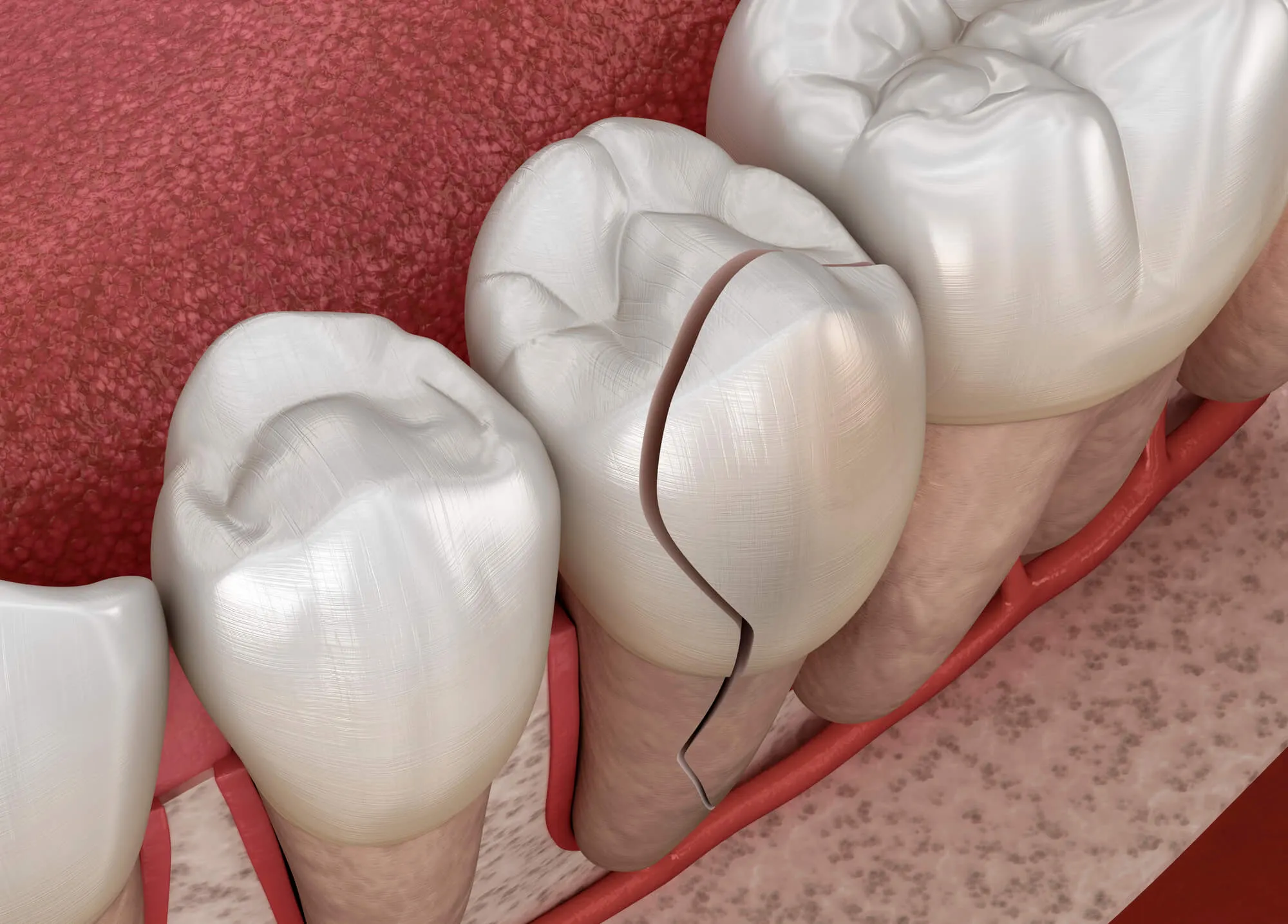
Teeth are strong, but they are not indestructible. The outer layer, called enamel, protects a softer layer of dentin, and beneath that sits the pulp, where the nerves and blood vessels live. A chip usually affects only the enamel and might not cause any pain at all. A crack can run deeper, sometimes reaching the dentin or even the pulp, and those cracks are not always visible to the naked eye.
Cleveland Clinic's overview of a fractured tooth explains that damage can range from a shallow, hairline crack to a split extending below the gum line. The severity often has little to do with how the injury felt at first. That is part of what makes chipped and cracked teeth tricky: a tooth that looks fine on the outside can still be seriously damaged underneath.
Grinding your teeth at night, chewing on ice, or biting down on pens or hard candy can all weaken enamel over time, making a future chip more likely, even without a dramatic injury.
Signs You Need Care Right Away
Some chips are cosmetic. Others are a sign that something more serious is happening inside the tooth. Watch for:
- Sharp pain when you bite down or release pressure
- Sensitivity to hot, cold, or sweet foods that lingers after the food is gone
- A visible crack line, dark spot, or rough edge that you can feel with your tongue
- Swelling or tenderness in the gum around the tooth
- A piece of tooth you cannot account for, which may have been swallowed or inhaled
If any of these sound familiar, it is worth getting same-day dental care rather than waiting to see if the discomfort fades. Guidance on common dental emergencies from the American Dental Association also recommends rinsing with warm water and applying a cold compress to reduce swelling while you arrange to be seen.
What to Do in the First Few Hours
The steps you take right after the injury can affect how well the tooth responds to treatment later. Save any pieces of the tooth if you can find them, and rinse your mouth gently with warm water. Apply a cold compress to the outside of your cheek to control swelling, and avoid chewing on that side of your mouth.
Over-the-counter pain relief can help in the short term, but it is not a substitute for an exam. If the pain is severe, or if you are bleeding and cannot get it to stop, a walk-in dentist in Greensboro can evaluate the damage the same day instead of making you wait for the next open appointment.
When a Small Chip Turns Into a Bigger Problem
Not every chip needs the same-day attention, but ignoring one that does can turn a minor fix into a much bigger procedure. A crack that reaches the pulp allows bacteria to get in, which can lead to infection, an abscess, or the eventual loss of the tooth.
Many dental emergencies start out small before they escalate, which is why sensitivity and pain should not be brushed off. Untreated cracks can also spread further with normal biting and chewing, since every bite puts pressure on the weakened area.
The American Association of Endodontists notes that treatment options for cracked teeth depend heavily on how early the crack is detected, with early intervention often making the difference between a crown and an extraction.
How an Emergency Dentist Treats a Chipped or Cracked Tooth
Treatment depends on how deep the damage goes. A minor chip might only need smoothing or a small amount of bonding to restore the tooth's shape. A crack that reaches the dentin often requires a crown to protect the tooth from further splitting. If the crack has reached the pulp, a root canal may be needed to remove the damaged tissue before the tooth is capped.
In cases where the crack extends below the gum line or into the root, emergency tooth extractions may be the only option left to keep the infection from spreading. An exam with digital X-rays is usually the fastest way to find out which category a tooth falls into.
Recovery time varies with the treatment: a bonded chip often needs little more than a short appointment, while a root canal and crown typically call for two visits spaced a week or two apart.

Frequently Asked Questions
Is a small chip really a dental emergency?
Not always. A chip with no pain, sensitivity, or sharp edge can often wait for a regular appointment. Pain, swelling, or a rough edge cutting your tongue or cheek are signs that it should not wait.
What if my tooth does not hurt at all?
A painless chip or crack can still be serious. Damage to the nerve does not always cause noticeable pain right away, so a lack of discomfort does not rule out more serious damage.
Can it wait until Monday if it happens over the weekend?
A stable chip with no pain may hold until the next business day. Swelling, bleeding that will not stop, or a missing fragment are reasons to seek care sooner.

Talk to an Emergency Dentist in Greensboro, NC, Today
A chipped or cracked tooth rarely improves on its own, and waiting to see what happens can turn a simple fix into a more involved procedure. If you are dealing with pain, sensitivity, or visible damage, Dr. Layth Saraf, DMD, offers prompt evaluations for patients in Greensboro and the surrounding area.
Schedule your visit today to get the tooth checked before a small problem becomes a bigger one.











.jpg)