
Why Do Braces Need to Be Adjusted During Treatment?
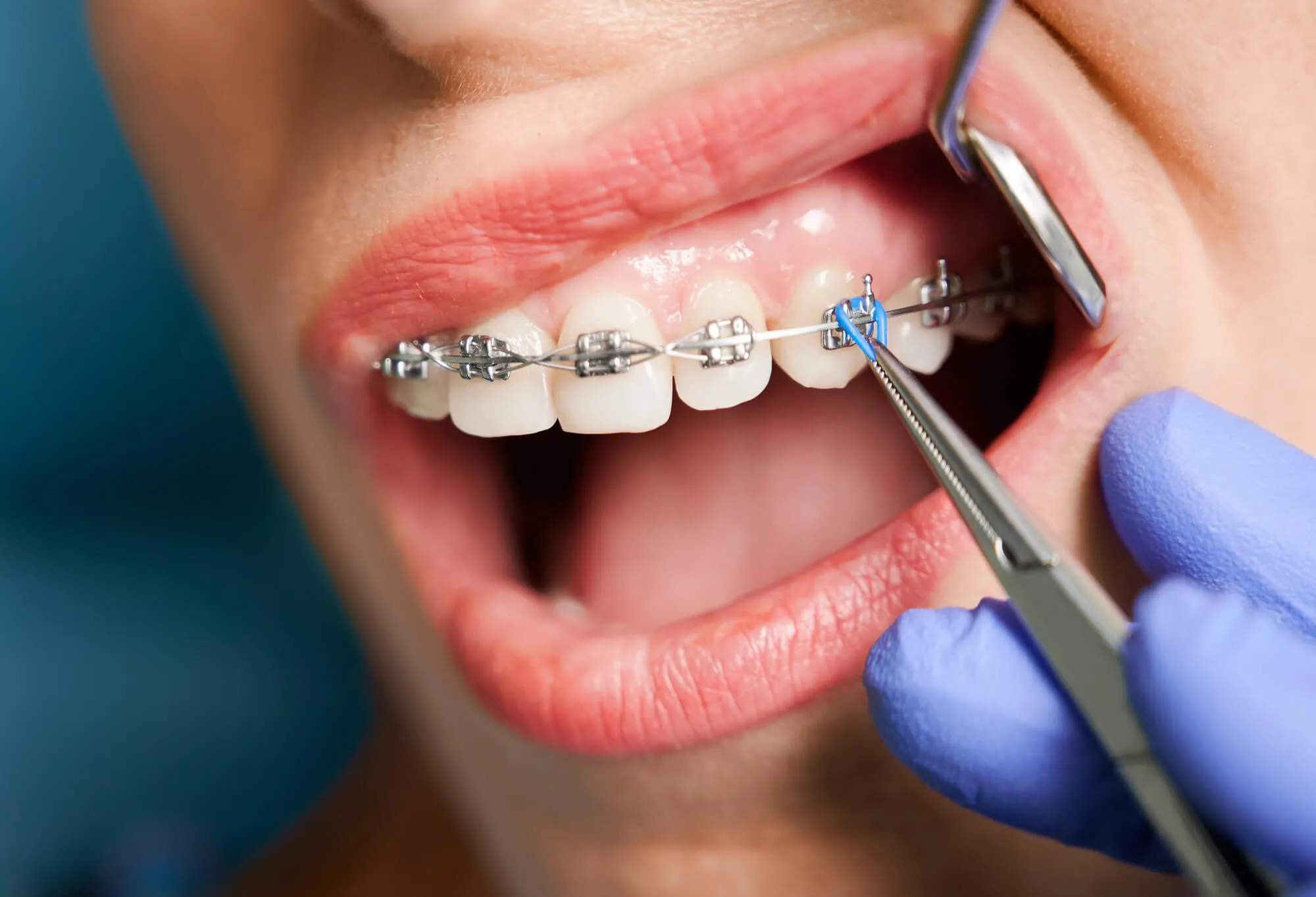
Your braces have been on for a few weeks, your teeth are starting to shift, and everything seems to be working. So why do you need another appointment to adjust them? Braces cannot simply be placed and left alone until treatment is finished. As your teeth move, the pressure guiding them needs to change too.
Regular appointments for braces in Greensboro, NC, allow your dentist to monitor your progress, adjust the orthodontic forces, and make sure your teeth continue moving according to your treatment plan.
What Happens When Your Braces Are Adjusted?
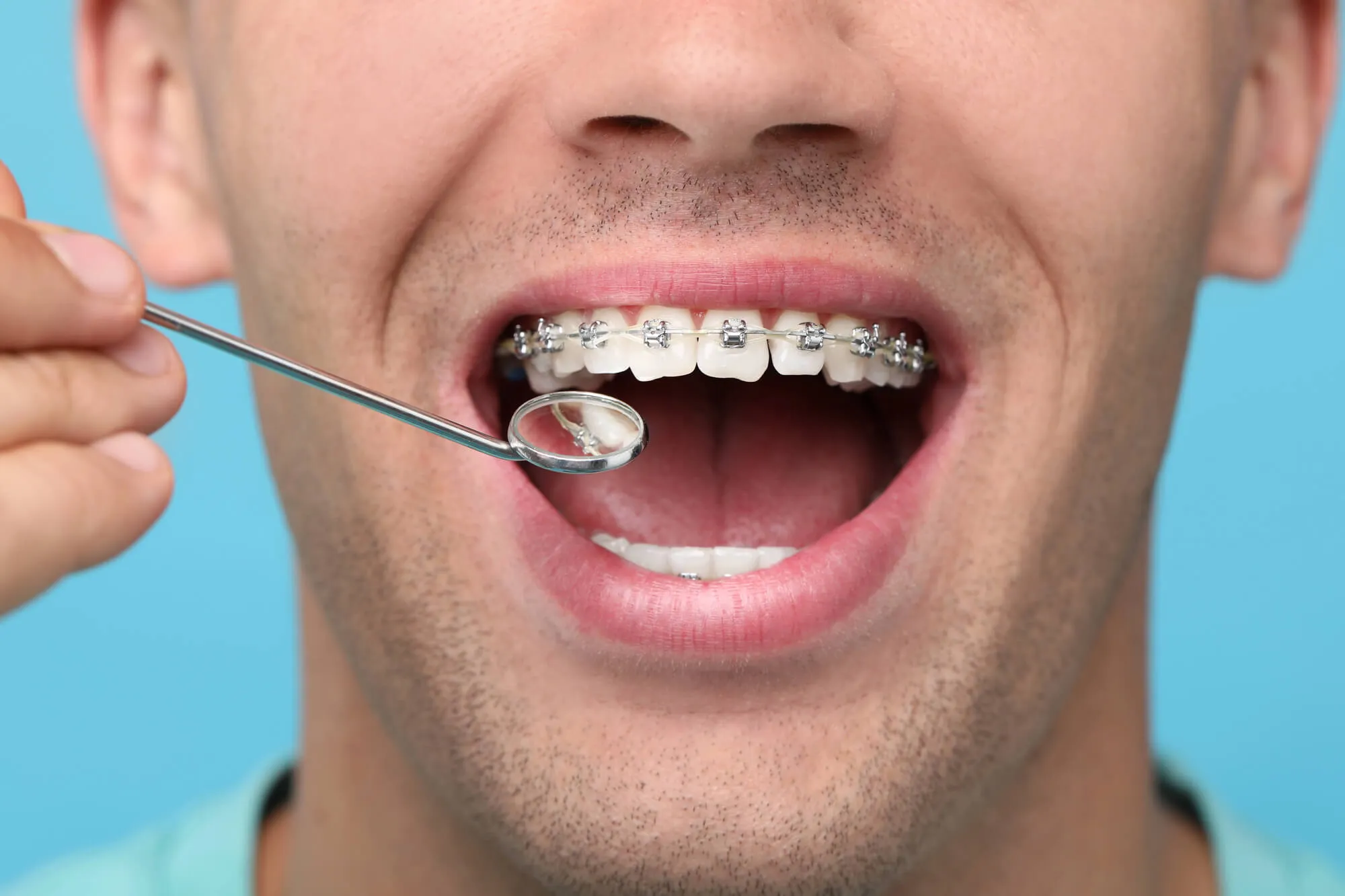
Traditional braces use brackets attached to your teeth and wires that help guide them into planned positions. They apply gentle, controlled pressure over time rather than moving teeth all at once.
As your teeth respond, their relationship with the brackets and wires changes. Follow-up appointments allow your dentist to evaluate that movement and make the adjustments needed for the next stage of treatment.
Your Teeth Need Time to Move
Teeth may feel firmly anchored, but the bone and tissues surrounding their roots can adapt to carefully applied orthodontic pressure.
When braces place force on a tooth, changes occur in the tissues and bone around its root. Bone gradually remodels as the tooth shifts into its planned position. This biological process takes time, which is why orthodontic treatment relies on gradual movement.
Teeth do not always move at the same rate, either. Your dentist needs to see how different areas respond before deciding what adjustments to make next.
Adjustments Maintain the Right Pressure
The original setup of your braces will not produce the same effect throughout your entire treatment. Once teeth have shifted, the wires and other components may need to be adjusted to continue guiding movement.
Depending on where you are in treatment, your dentist may evaluate or change the archwire and make other modifications to your braces.
More pressure does not mean faster or better results. Orthodontic treatment depends on carefully controlled forces that allow the teeth and surrounding tissues enough time to respond.
Treatment Progresses in Stages
Your dentist does not attempt to correct every orthodontic issue during the first few appointments. Braces move teeth through a planned sequence.
Early stages may focus on improving alignment or creating space for crowded teeth. Later adjustments may refine individual tooth positions and how your upper and lower teeth fit together.
Each appointment builds on the progress made during the previous stage. Regular adjustments allow your dentist to keep that sequence moving forward.
Why Regular Orthodontic Visits Matter
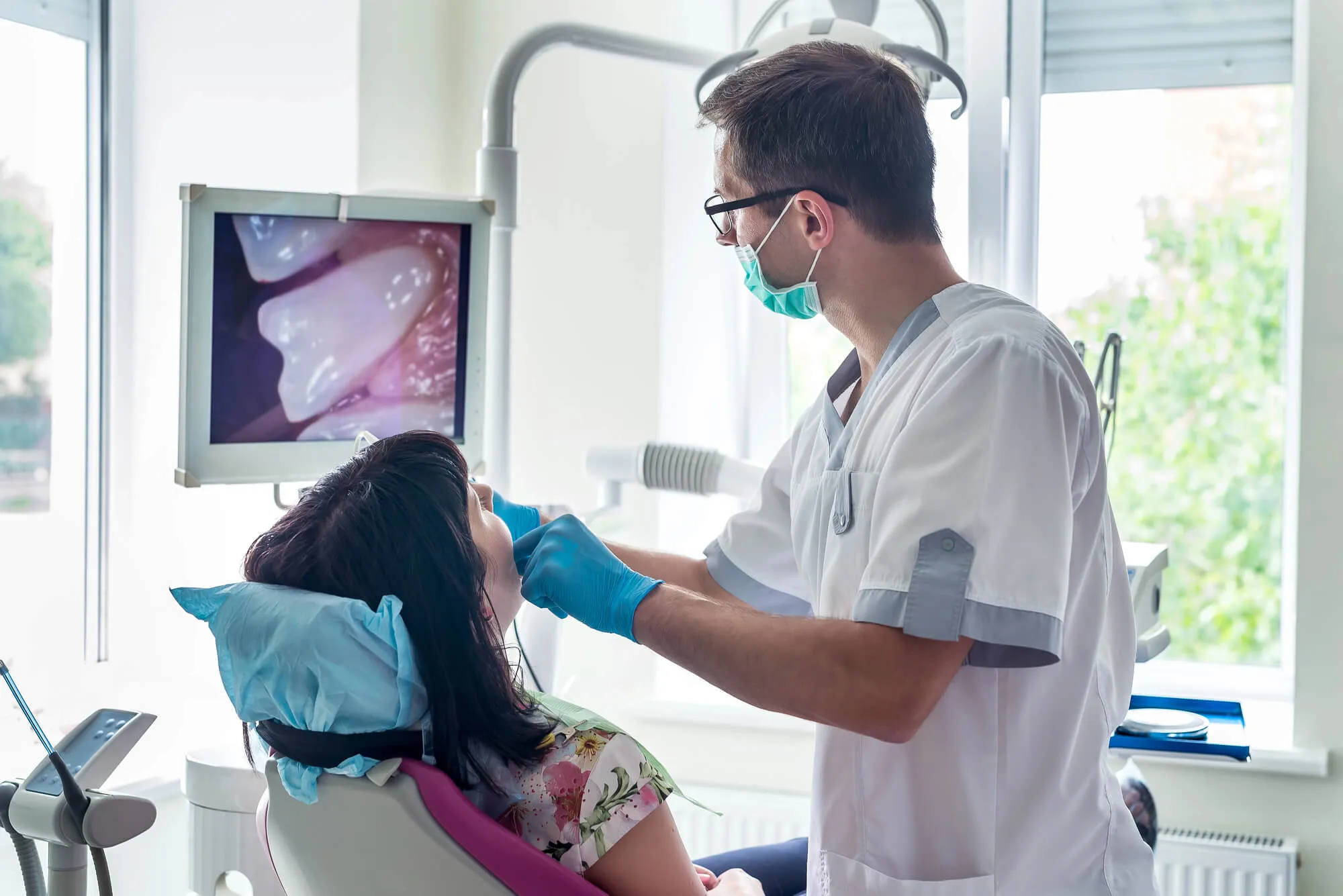
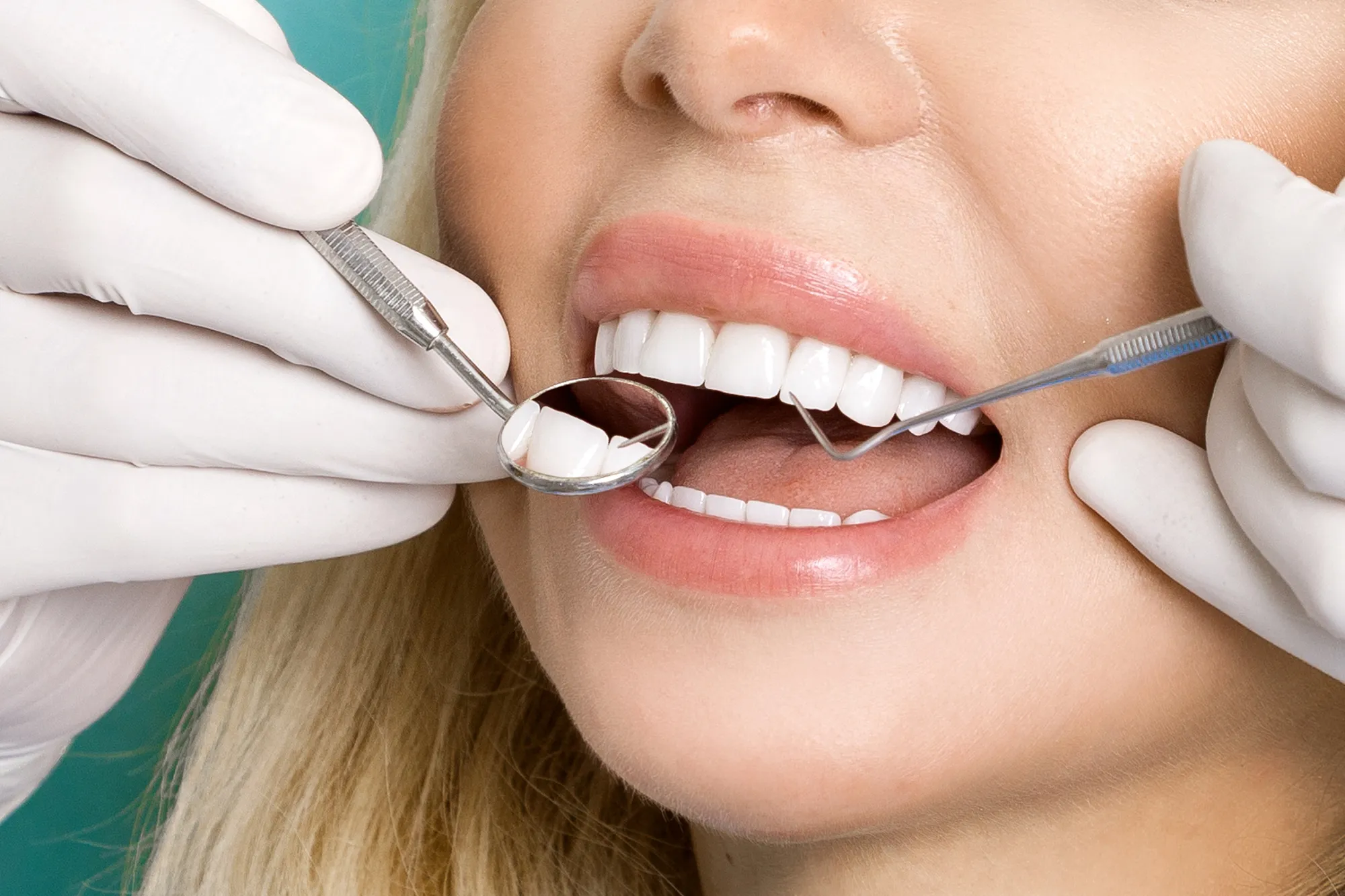
Adjustment appointments involve more than changing a wire. They allow your dentist to evaluate your progress, inspect your braces, and check your oral health.
Your Dentist Monitors Tooth Movement
Every mouth responds differently to orthodontic treatment. Your dentist needs to evaluate what is happening rather than relying only on the original treatment plan.
During these visits, your dentist may check:
- How individual teeth are moving
- Changes in spacing and alignment
- The condition of brackets and wires
- Your teeth and gums
These findings help determine what adjustments are appropriate for the next phase.
Brackets and Wires Need to Be Checked
Your braces are exposed to chewing, brushing, and other daily forces. A bracket may loosen, or a wire may shift between appointments.
Checking the orthodontic hardware helps identify problems that could interfere with planned tooth movement.
You should not wait for a scheduled adjustment if something breaks. Contact the office if a bracket becomes loose, a wire causes persistent irritation, or another part of your braces seems damaged.

Your Bite Changes as Your Teeth Move
Braces are not used solely to make individual teeth look straighter. Orthodontic treatment may also address how the upper and lower teeth fit together.
The practice uses orthodontic treatment for concerns such as crowded teeth, gaps, overbites, underbites, and crossbites. As your teeth change position, your bite changes too.
Regular monitoring allows your dentist to evaluate both alignment and bite throughout treatment.
What Should You Expect After an Adjustment?
It is common to notice pressure or tenderness after some adjustment appointments. Your teeth are responding to newly applied orthodontic forces, so biting and chewing may temporarily feel different.
This discomfort usually decreases as your mouth adapts. If your teeth feel tender, softer foods can be more comfortable for a short time.
Options may include:
- Eggs
- Yogurt
- Pasta
- Oatmeal
- Soup
- Soft fruits
- Soft-cooked vegetables
Continue following your dentist's instructions about foods that could damage your braces. Hard, sticky, or chewy foods may loosen brackets or affect wires.
Keep Up With Your Oral Hygiene
Brackets and wires provide extra places for plaque and food particles to collect. Careful oral hygiene remains essential throughout treatment.
Brush thoroughly around each bracket and along your gumline. Floss between your teeth every day using the technique or tools recommended by your dental team.
Regular dental care is still important while you have braces. Keeping your teeth and gums healthy supports your orthodontic treatment and helps prepare your smile for the day your braces are removed.
What Happens If You Miss an Adjustment?
Missing one appointment does not erase the progress you have made, but repeated delays may affect your treatment schedule.
Your braces may eventually stop producing the intended movement as effectively if the next planned adjustment is delayed. Your dentist also loses an opportunity to check your teeth, bite, and orthodontic hardware.
If you cannot attend a scheduled visit, contact the office to reschedule. Staying consistent with follow-up appointments helps treatment remain as close as possible to the planned timeline.
Frequently Asked Questions
How often do braces need to be adjusted?
Appointment timing depends on your treatment plan and how your teeth respond. Your dentist will recommend an appropriate schedule based on your progress.
Do braces hurt after every adjustment?
Some patients notice temporary pressure or tenderness after an adjustment. The sensation varies depending on the person and the stage of treatment. Contact your dentist if discomfort is severe, unusual, or does not improve.
Why can't my braces be tightened more to move my teeth faster?
A stronger force does not automatically make teeth move faster. Orthodontic treatment relies on controlled pressure and the natural remodeling of bone and tissues around each tooth.

Ready for Personalized Care With Braces in Greensboro, NC?
Braces require careful monitoring as your teeth gradually move into their planned positions. Dr. Layth Saraf provides personalized orthodontic care with an emphasis on patient education, comfort, and individual needs. His team takes time to explain your treatment and help you know what to expect at each stage.
If you are considering braces or have questions about orthodontic treatment, schedule a consultation to discuss your smile and the treatment options available to you.










.jpg)