
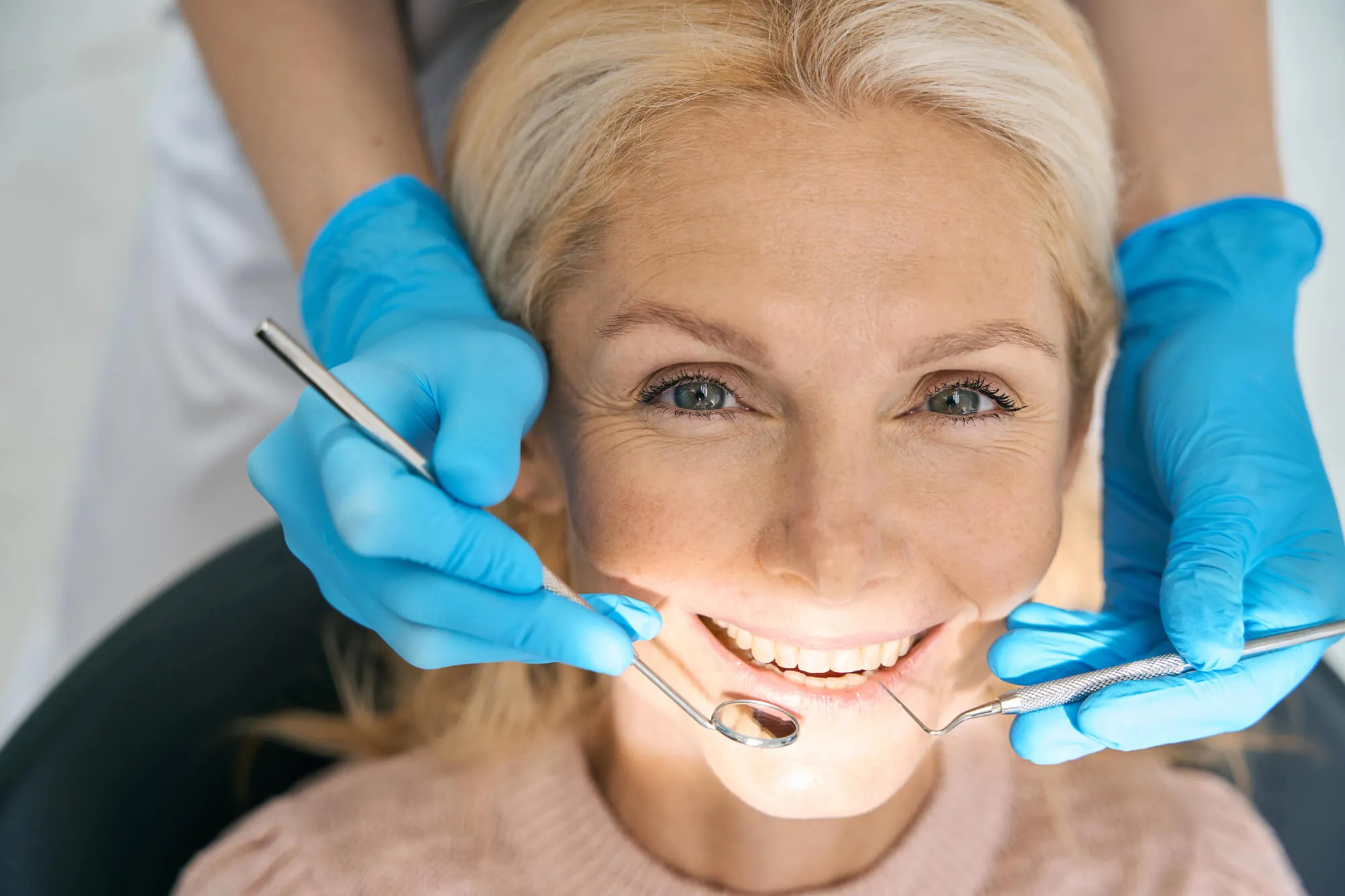
The Importance of Catching Dental Problems Early
It’s easy to put off a dental visit when your teeth feel fine. Without pain or obvious changes, there may not seem to be a reason to schedule an appointment. The challenge is that many dental conditions develop quietly, showing few or no symptoms in their earliest stages. By the time discomfort appears, the problem may already be more advanced. Visiting a dentist near Hamilton Lakes regularly allows small concerns to be identified early, helping protect your oral health and preserve your natural smile.

Why Early Detection Makes a Difference
Routine dental visits are about much more than checking for cavities. They provide an opportunity to monitor changes in your oral health, identify concerns before they become more complex, and recommend care that supports long-term function and comfort.
Many dental conditions begin gradually. Small cavities, early gum inflammation, worn enamel, and tiny cracks in teeth often develop without noticeable symptoms. Because these changes are difficult to see at home, regular dental exams remain one of the most effective ways to monitor your oral health.
Small Cavities Can Grow Without Pain
Tooth decay doesn't always begin with discomfort. In many cases, cavities start as small areas where enamel begins to weaken. During this stage, you may not notice any changes while eating, drinking, or brushing your teeth.
As decay progresses, it moves deeper into the tooth and becomes more difficult to manage. A problem that may have required only a simple restoration can eventually affect the inner portion of the tooth if it continues to develop.
Routine examinations help identify these early changes before they have a greater impact on the tooth's structure.
Gum Disease Often Begins Quietly
Healthy gums provide the foundation for healthy teeth, yet gum disease rarely causes immediate pain during its earliest stages.
Early signs may include:
- Mild redness
- Occasional bleeding while brushing
- Slight swelling
These symptoms are easy to overlook or dismiss. Professional dental exams allow your dentist to evaluate your gums carefully and recommend appropriate care before more extensive damage occurs.
Small Cracks and Wear Can Become Bigger Problems
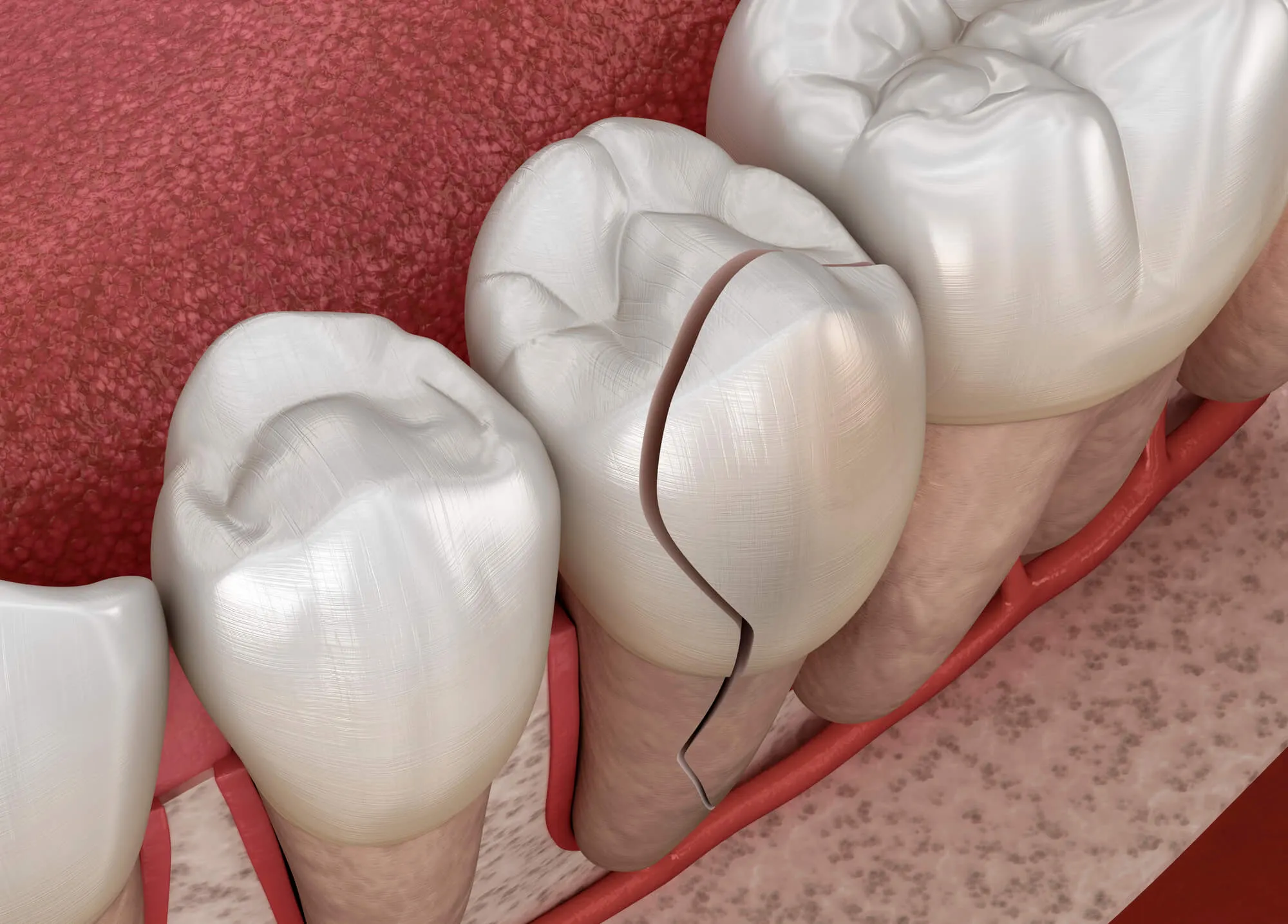
Everyday chewing places constant pressure on your teeth. Over time, small cracks, worn enamel, or weakened restorations can develop.
Many of these changes are not visible without a professional examination. Detecting them early may help preserve more of the natural tooth and reduce the likelihood of more complex restorative care later.
What Your Dentist Looks For During a Routine Exam
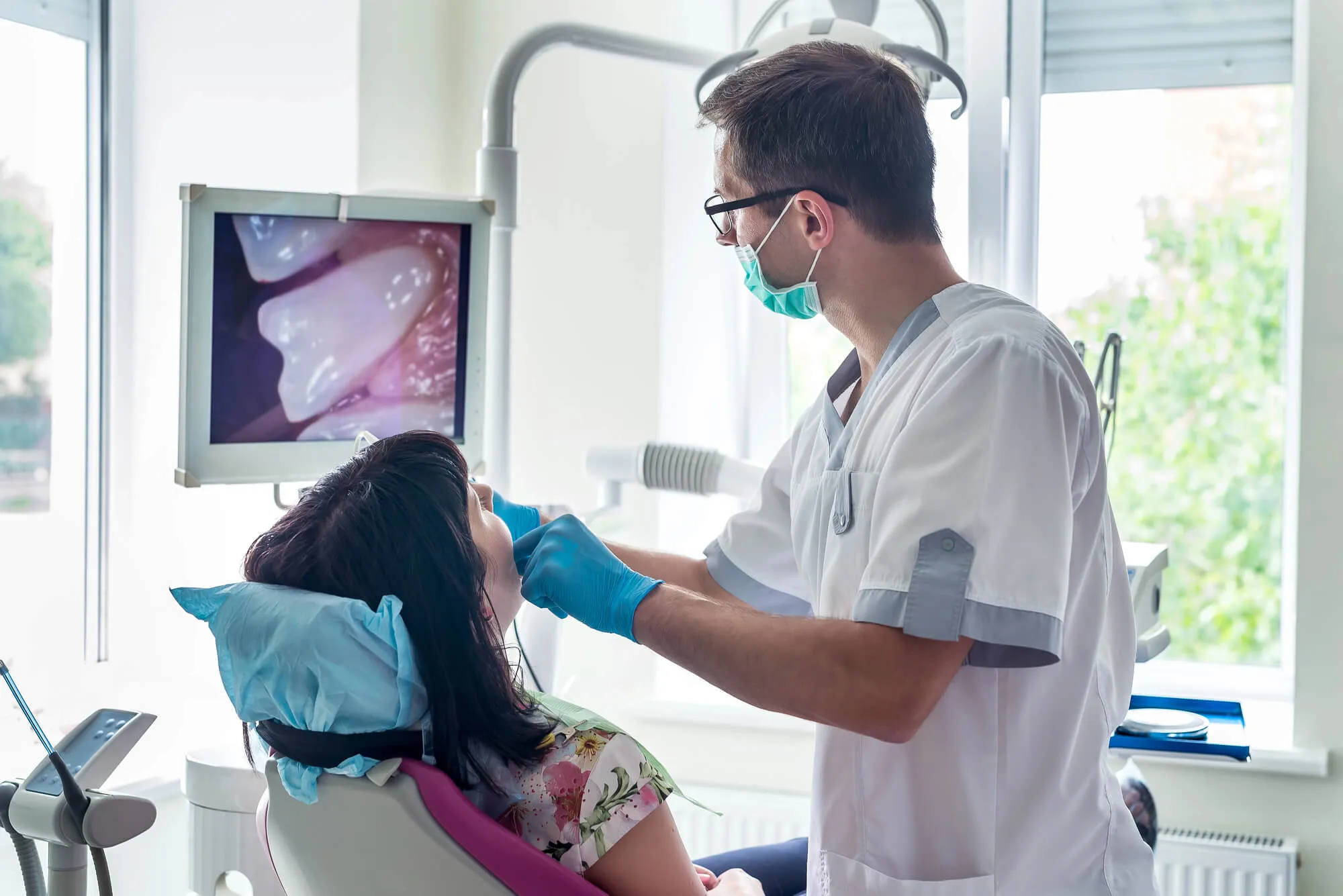
A routine dental visit includes much more than a quick look at your teeth. Each part of the examination provides valuable information about your oral health.
Checking Your Teeth
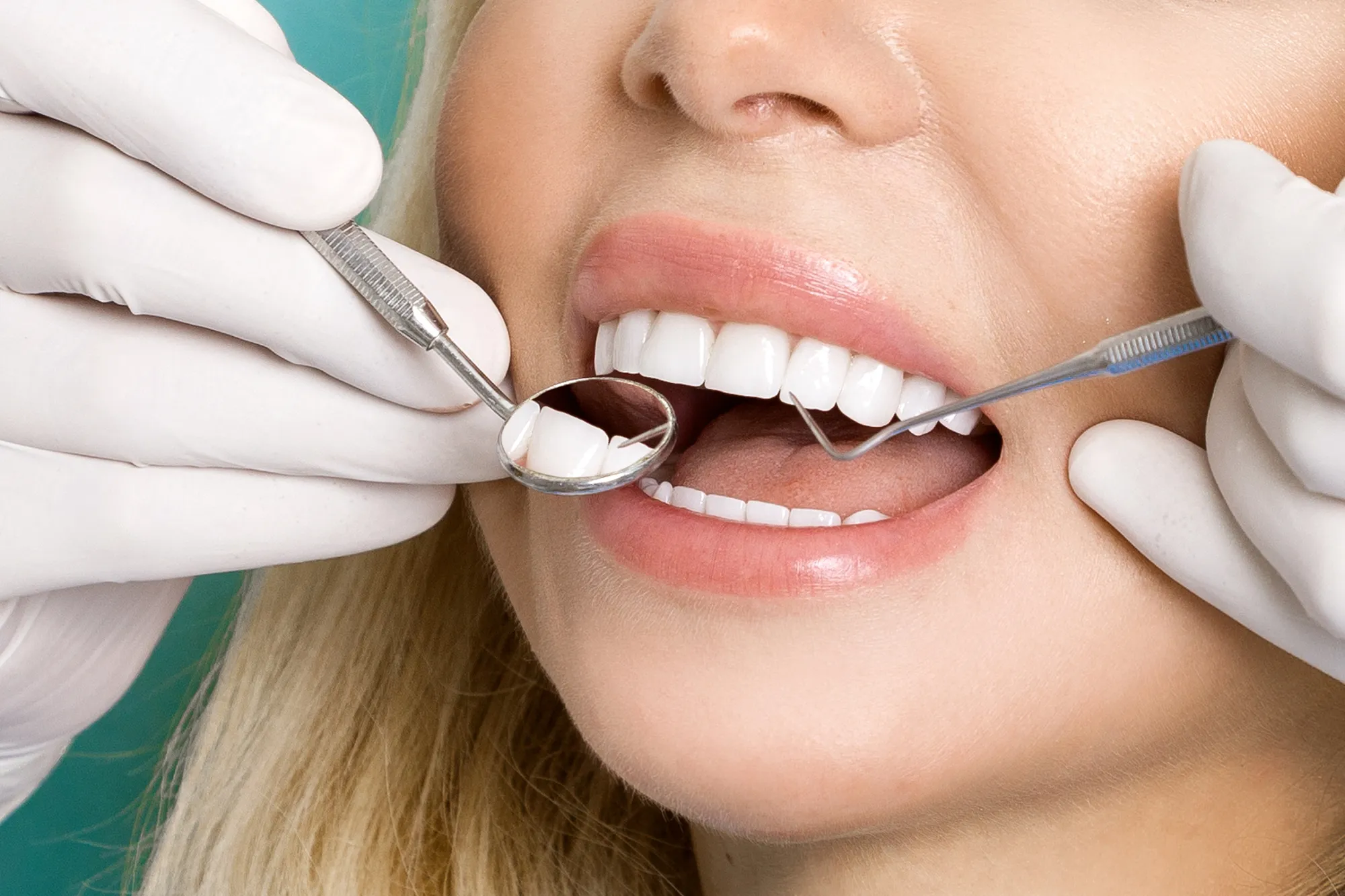
Your dentist carefully evaluates each tooth for signs of:
- Tooth decay
- Cracks or fractures
- Existing fillings or crowns that may need attention
Even subtle changes are monitored over time to identify patterns that may affect your smile.
Evaluating Your Gums
Your gums are examined for signs of inflammation, recession, or changes that could indicate developing periodontal concerns.
Healthy gums help support your teeth and protect the underlying bone, making this an important part of every routine examination.
Reviewing Your Bite
Your bite affects how your teeth come together during everyday activities such as chewing and speaking.
Uneven pressure, grinding, or clenching may create wear patterns that become more noticeable over time. Identifying these changes early allows your dentist to monitor their progression and recommend appropriate care if needed.
Taking Digital X-Rays
Some dental concerns cannot be seen during a visual examination alone.
Digital X-rays help identify:
- Decay between teeth
- Bone changes
- Problems beneath existing restorations
- Other concerns hidden below the surface
These images provide a more complete picture of your oral health and support accurate diagnosis.

The Benefits of Addressing Concerns Early
Early detection benefits more than your teeth. It can also improve your overall experience with dental care.
More Conservative Treatment
Addressing concerns while they are still small often allows for simpler treatment approaches. Preserving as much natural tooth structure as possible remains an important goal whenever dental care is recommended.
Greater Comfort
Smaller dental concerns are often easier to manage than problems that have progressed over time. Regular exams help reduce the chance of unexpected discomfort developing between visits.
Long-Term Oral Health
Healthy teeth and gums work together to support everyday activities such as eating, speaking, and smiling. Monitoring your oral health consistently helps maintain these functions for years to come.
Prevention Continues Between Dental Visits
Professional care is only one part of maintaining a healthy smile. Daily habits also make an important difference.
Simple routines include:
- Brushing twice each day with fluoride toothpaste
- Flossing daily
- Limiting sugary snacks and drinks
- Replacing your toothbrush regularly
- Keeping scheduled dental appointments
These habits work together with professional care to support healthy teeth and gums.
Don't Wait for Pain to Schedule an Appointment
One of the biggest misconceptions about dental health is that pain is the first sign of a problem.
In reality, many concerns develop long before discomfort appears. Cavities, gum disease, and worn restorations often progress quietly, making regular dental visits an important part of prevention.
Waiting until symptoms develop may reduce the opportunity for more conservative treatment options.
Routine Dental Visits Create a Healthier Future
Dental care isn't only about addressing problems after they appear. It's about monitoring changes over time, identifying concerns early, and helping you maintain a healthy smile through every stage of life.
Routine exams create a record of your oral health, making it easier to compare changes from one visit to the next. This ongoing evaluation allows your dentist to provide personalized recommendations based on your needs rather than reacting only after symptoms develop.
Consistency also builds familiarity with your dental team. Over time, appointments often feel more comfortable because your dentist understands your dental history, previous treatments, and long-term goals. This relationship supports better communication and helps create a more personalized approach to care.

Looking for a Dentist Near Hamilton Lakes to Help Protect Your Smile?
Protecting your oral health starts with regular preventive care and early detection. Dr. Layth Saraf is committed to providing thoughtful, patient-centered dentistry that focuses on education, comfort, and long-term oral wellness. Through comprehensive dental exams, digital X-rays, and personalized recommendations, his team helps patients maintain healthy smiles with care tailored to their needs. Contact the office today to schedule your next dental exam and stay ahead of small concerns before they become larger ones.








.jpg)